
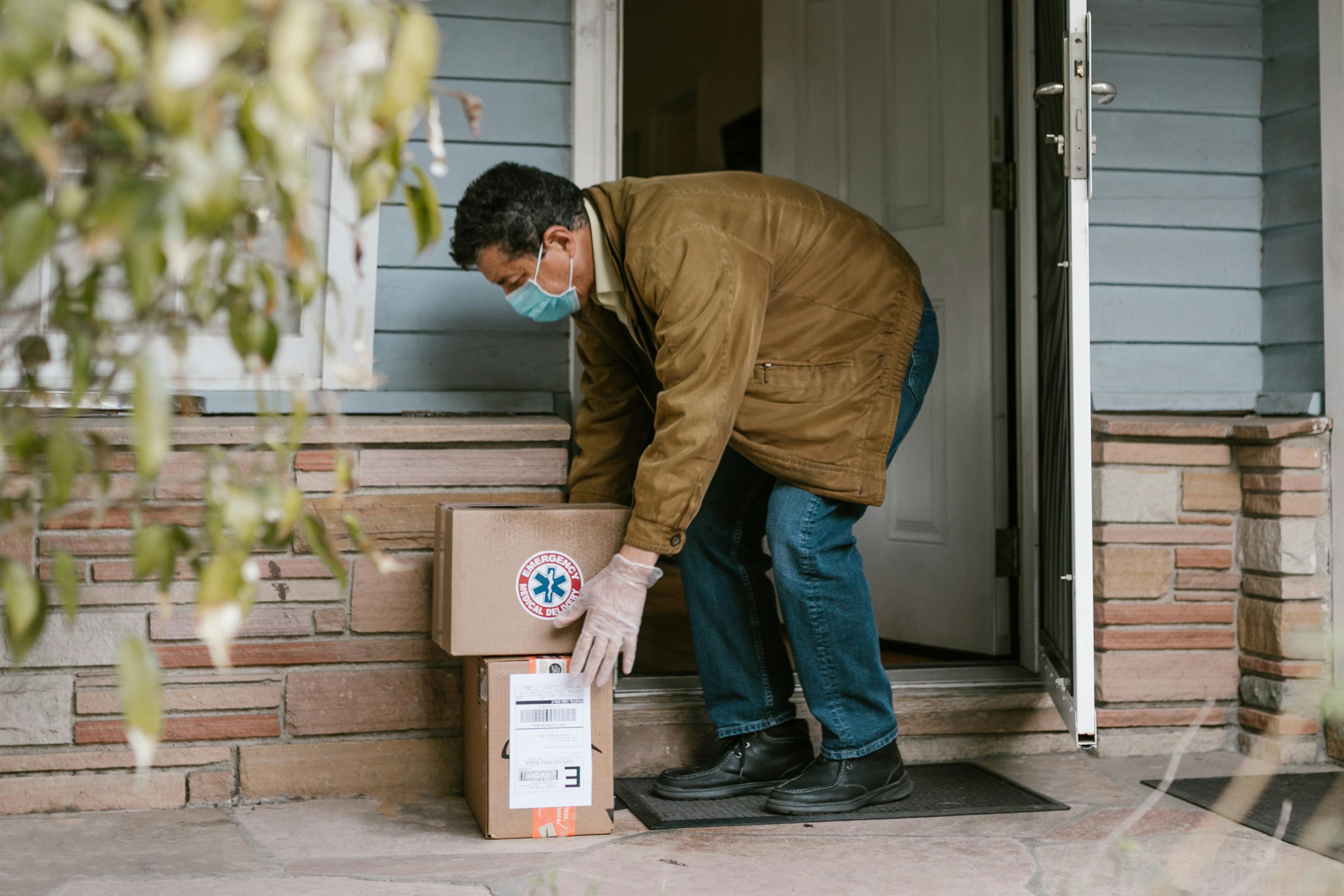
India's healthcare system is at one of the most consequential inflection points in its history. On one side, a rapidly urbanising, aging, and increasingly health-conscious population is demanding faster, better, and more accessible medical care than ever before. On the other, a system characterised by critical doctor shortages, geographic infrastructure gaps, overcrowded public hospitals, and unaffordable private care is struggling to keep pace.
The bridge between these two realities is technology. Platforms like Althvyaa are already dispatching qualified paramedics to Indian doorsteps within 30 minutes. This article traces the trajectory of healthcare delivery in India: where it has been, where it stands today, and what platforms like Althvyaa are building for tomorrow.
India's Healthcare Access Challenge: Context at Scale
India has approximately 0.7 hospital beds per 1,000 people, against a global average of 2.9. The doctor-to-population ratio stands at around 0.9 per 1,000 — below the WHO's recommended minimum. The result is a system where quality is highly variable, geography determines access in profoundly inequitable ways, and the experience of seeking routine care is genuinely difficult for hundreds of millions of people.
The traditional responses — build more hospitals, train more doctors, expand insurance — are all necessary but take decades to deliver at scale. Technology offers a fundamentally different lever: making existing capacity more accessible, reducing friction in the system, and unlocking new care delivery models that break the constraint that care can only be delivered where infrastructure exists.
The First Wave: Telemedicine
India's digital health journey began with telemedicine — medical consultations delivered via video and phone. The COVID-19 pandemic compressed years of gradual adoption into months. The government responded with India's first formal Telemedicine Practice Guidelines in 2020, legitimising remote consultations. Telemedicine grew an estimated 500% during the pandemic and adoption rates have remained substantially elevated.
But as initial excitement stabilised, the limitations became clear. A doctor cannot take your blood pressure, listen to lung sounds, examine a wound, or draw blood through a screen. For a significant proportion of medical situations that require genuine clinical assessment, physical presence is not optional. Telemedicine was a breakthrough — but it was the first word in a longer sentence.
The Second Wave: On-Demand Physical Healthcare Delivery
The second and more ambitious wave is about bringing physical care to the patient — not just digital access to a doctor's voice. This is the wave Althvyaa is building. On-demand home healthcare platforms dispatch qualified medical professionals to a patient's location, within a committed timeframe, through a simple digital booking interface — drawing on the same core logic that made on-demand transportation and food delivery successful in India, adapted for the demands of medical care.
What makes this uniquely powerful in India is the size of the problem it solves — the enormous category of urgent, clinically significant situations between 'safe to manage at home' and 'genuine emergency.' Althvyaa's 30-minute delivery commitment places it at the most ambitious end of this model.
Government Initiatives Supporting Digital Health
Ayushman Bharat Digital Mission (ABDM)
Launched nationally in 2021, ABDM aims to build a unified digital health ecosystem. At its centre is the Ayushman Bharat Health Account (ABHA) — a unique digital health ID for every citizen enabling secure, consent-based health record sharing across providers. For Althvyaa, ABHA integration means visiting professionals can access complete medical histories — making every visit more informed and safer.
National Digital Health Blueprint
This blueprint provides the technical and regulatory architecture for a fully interoperable health data ecosystem — standards for data exchange, privacy protections, and frameworks for digital prescription and home care services.
The Technology Stack Making On-Demand Healthcare Possible
700M+ smartphones and world's lowest data costs — the consumer infrastructure is already in place
GPS and real-time dispatch — the same technology that makes a cab arrive reliably
Cloud-based health records — clinical history accessible across all visits
UPI and digital payments — frictionless cashless transactions across all income levels
Digital credential verification — scalable, reliable licence checking for all professionals
AI-powered professional matching — by proximity, skills, patient history, and ratings
Addressing the Urban-Rural Divide
India's healthcare access disparity between urban and rural areas is one of its most persistent challenges. 65% of India's population lives in rural areas, while roughly 80% of qualified doctors practice in urban centres. On-demand platforms are evolving to address this: tier-2 and tier-3 city expansion brings home healthcare to smaller cities with significant unmet need; nurse and paramedic-led models extend reach to areas without physician coverage; and hybrid telemedicine-plus-home-visit models give rural communities access to specialist supervision through remote video during a home visit.
The Next Frontier: AI-Augmented Home Healthcare
The next generation of home healthcare will integrate AI-powered diagnostic tools with home visits. A home-visiting nurse equipped with a smartphone-connected ECG device for AI-assisted interpretation; a connected stethoscope that detects pneumonia or heart failure with clinical-grade accuracy; a portable point-of-care blood analyser delivering results in 10 minutes. Each of these technologies exists today. Their convergence with on-demand home delivery will, within a decade, make home visits capable of providing diagnostic depth that rivals outpatient hospital departments for the majority of common conditions.
What Althvyaa Represents in This Ecosystem
Althvyaa embodies three defining commitments. Speed as a clinical commitment — the 30-minute window is a design constraint that shapes every decision about network density, dispatch algorithms, and service area expansion. Professional breadth — connecting users with doctors, nurses, and paramedics through a single platform covers the full range of situations Indian families encounter. Accessibility by design — transparent pricing and expansion beyond major metros expresses the belief that on-demand home healthcare should be available to all Indian families, not only wealthy urban households.
Challenges the Sector Must Navigate
Professional supply at scale requires sustained investment in recruitment and retention of verified, trained professionals. Regulatory evolution continues as frameworks for clinical governance, professional liability, and quality standards in non-institutional settings mature. Building consumer trust takes time and consistent quality. Maintaining quality as the network grows rapidly requires robust monitoring systems and responsive performance management. None of these challenges are insurmountable — they are the normal challenges of building a new care delivery category at scale in a complex, high-stakes sector.
Frequently Asked Questions
How large is India's home healthcare market? Valued at approximately Rs 7,800 crore in 2023 and projected to grow at over 15% annually through 2028, driven by an aging population and shifting care preferences.
How will AI change home healthcare in India? AI will progressively enable point-of-care diagnostics, predictive risk monitoring for chronic conditions, and intelligent clinical decision support for visiting professionals.
How does Althvyaa compare to competitors like tez.health? Althvyaa differentiates through its 30-minute delivery commitment, inclusion of paramedic services, and focus on expanding access across India rather than concentrating exclusively on the largest metros.
Conclusion
The history of Indian healthcare has been a history of patients going to healthcare. The future being built today is different — a future where qualified healthcare professionals arrive at your door before a typical hospital queue would even begin. Where your medical history travels with the professional who treats you. Where the gap between 'I need help' and 'I am receiving care' is measured in minutes rather than hours. Althvyaa is building this future in India — one 30-minute visit at a time. Download the Althvyaa app today. Experience healthcare that comes to you.