Defining Good Leadership
Good leadership transcends mere management; it embodies a set of qualities and behaviors that inspire, motivate, and guide individuals and teams towards shared goals and objectives. A good leader possesses vision, integrity, empathy,
Imagine being able to summon a trained medical professional to your home in the same amount of time it takes for a food delivery. In most parts of the world, this is still a distant aspiration. In India, it is becoming a reality — and it is happening faster than most people realise. On-demand healthcare is not a futuristic concept. It is operational today, and platforms like Althvyaa are already delivering doctors, nurses, and paramedics to Indian doorsteps within 30 minutes.
But what exactly is on-demand healthcare? How does it work? Who benefits from it? And why is it particularly important for a country like India? This article answers all of these questions — and makes the case for why on-demand healthcare is the most significant shift in Indian healthcare delivery in a generation.
What Is On-Demand Healthcare?
On-demand healthcare refers to medical services available immediately, on request, without requiring prior scheduling, long waiting times, or travel to a facility. Just as on-demand platforms have disrupted transportation and food delivery in India, on-demand healthcare is disrupting the traditional model of seeking medical attention.
The defining characteristics are speed (services available within minutes to a few hours), convenience (care comes to the patient), digital access (bookings through apps or websites), transparency (upfront pricing and professional credentials), and flexibility (available at any hour, including evenings and weekends). Platforms like Althvyaa operate at the physical end of the spectrum — offering the speed and simplicity of an app with the clinical depth of an in-person visit.
India's Healthcare Access Problem: The Scale of the Challenge
India's doctor-to-patient ratio is approximately 1 doctor per 1,445 people — well below the WHO's recommended ratio of 1 per 1,000. In urban India, hospitals are severely overcrowded; a government hospital visit may involve hours of waiting for a ten-minute consultation. For working-age adults, a hospital visit often means a full day away from work — financially devastating for daily wage earners and deeply disruptive for salaried professionals.
India also has a rapidly aging population. By 2050, nearly 20% of India's population will be over 60 years old. Elderly individuals require more frequent medical attention and many have mobility limitations that make regular hospital visits difficult and stressful. On-demand healthcare addresses several of the system's most pressing pain points simultaneously.
How On-Demand Healthcare Platforms Work
The mechanics follow the same logic as other on-demand services Indians use daily. Users create a profile and select the type of care needed (physician, nurse, paramedic, or physiotherapy). The platform dispatches the nearest available professional who matches the required skill set, providing real-time credentials and ETA. The professional arrives, provides care, and all consent, documentation, and payment happen digitally. After the visit, a digital record is generated — diagnosis, treatment, prescriptions, recommendations — shareable with other providers.
The Key Benefits of On-Demand Healthcare
Speed of access: a patient has a qualified professional at home in 30 minutes rather than waiting hours in a queue. Reduced unnecessary hospital visits: on-demand care keeps ERs available for genuine emergencies. Reduced hospital-acquired infection risk: patients receive care in their own environment. Cost transparency: upfront pricing with no hidden charges. Reduced caregiver burden: family members are not required to take time off work. Continuity of care: digital records build a longitudinal health history that improves every subsequent interaction.
Who Benefits Most From On-Demand Healthcare?
The elderly benefit enormously — mobility limitations and the need for frequent monitoring make home healthcare the most practical option. Working professionals can schedule visits around work commitments. Families with young children avoid stressful ER trips with sick toddlers. Patients with chronic conditions like diabetes or hypertension benefit from regular home monitoring rather than infrequent hospital visits. Post-surgery patients reduce their readmission risk with daily home nursing visits.
On-Demand Healthcare vs. Telemedicine: Understanding the Difference
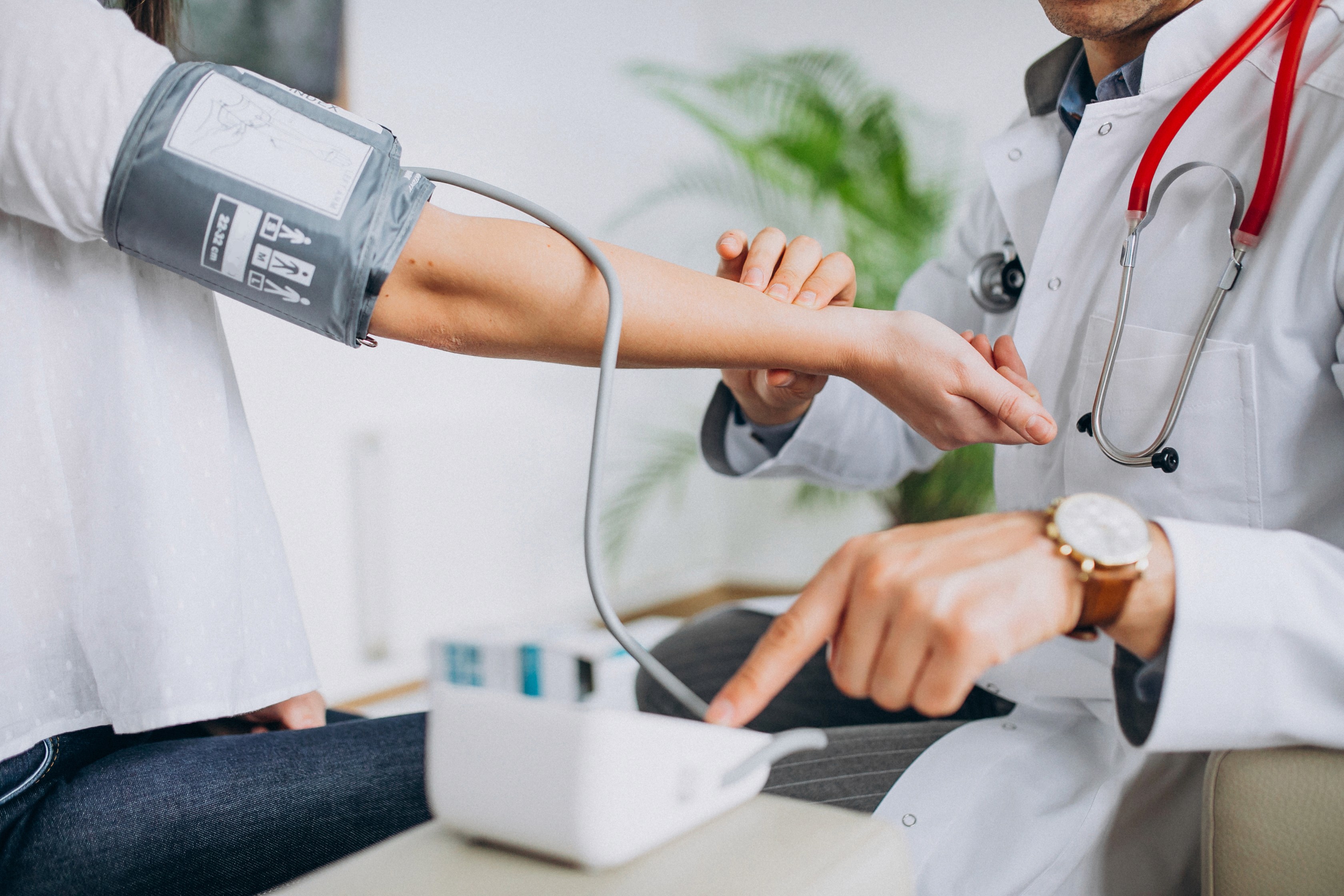
Telemedicine involves a video or phone consultation and works well for minor complaints and prescription renewals. However, a doctor cannot take your blood pressure, examine a wound, draw blood, or administer treatment through a screen. On-demand home healthcare is physical, in-person care — necessary for any condition requiring physical examination, clinical procedures, or direct intervention. The two are complementary: telemedicine for triage, on-demand home visits for hands-on care.
The Technology Enabling On-Demand Healthcare in India
700 million+ smartphone users and among the world's lowest mobile data costs provide the consumer infrastructure. GPS and real-time dispatch identify and route the nearest available professional. Cloud-based health records maintain clinical history across all visits. UPI and digital wallets enable frictionless cashless payment. Credential verification systems make licence checking scalable. AI matching algorithms connect patients with the most appropriate professional by proximity, skills, and ratings.
Challenges and How They Are Being Overcome
Professional supply constraints are being addressed by partnering with nursing colleges, medical schools, and professional associations. Regulatory evolution continues as the framework for home healthcare matures. Consumer trust is built through consistent quality and transparent credentialing. Emergency differentiation — making clear that home care is for urgent but manageable situations, not life-threatening crises — is an ongoing public education effort.
Althvyaa's Approach: Speed, Trust, and Accessibility
Althvyaa was built to address India's most pressing healthcare access problem: getting a qualified professional to a patient quickly. The platform's three core principles are speed (30 minutes, not hours), trust (every professional is verified, rated, and accountable), and accessibility (transparent pricing and a simple booking process mean on-demand healthcare is available to any Indian family that needs it).
Frequently Asked Questions
Is on-demand healthcare legal in India? Yes. Home healthcare and visiting professional services are legal in India. All professionals must hold valid licences from their respective regulatory councils.
Can it replace my regular doctor? No. On-demand visits are best for urgent care and monitoring. A regular primary care relationship remains important for comprehensive health management.
Is my medical information kept private? Yes. All patient data on Althvyaa is encrypted and managed in accordance with India's IT Act and healthcare data privacy standards.
Conclusion
The future of healthcare in India is at your doorstep. Platforms like Althvyaa are building the infrastructure for a healthier India — one where getting medical help is as simple as booking a cab, as fast as ordering a meal, and as professional as a visit to the finest clinic in your city. With Althvyaa, that future arrives in 30 minutes. Download the Althvyaa app and book your first home visit today.